
Transform Your Home with Jesus Wall Art
Updated: 4 hours ago
Jesus wall art brings faith into the heart of your home, turning everyday spaces into places of quiet reflection and spiritual encouragement. From canvas prints of Christ to framed scripture, these pieces offer a daily visual reminder of God's love, hope, and presence for believers of every background.
Bringing faith into your living space can create a peaceful and inspiring atmosphere. One way to do this is by adding Jesus wall art to your home. This type of artwork not only decorates your walls but also serves as a daily reminder of hope, love, and spiritual strength.
How Jesus Wall Art Enhances Your Home
Jesus wall art can transform a room by adding meaning and warmth. It often features images or Bible verses that encourage reflection and prayer. When placed thoughtfully, it can become a focal point that invites calm and comfort.
Adding such art to your home can:
Create a spiritual sanctuary in your living room or bedroom
Inspire family members and guests with uplifting messages
Reflect your personal faith and values in your décor
For example, a beautifully designed print of Jesus with a comforting Bible verse can brighten a hallway or prayer corner. It reminds everyone who sees it of God’s presence and love.

Choosing the Right Jesus Wall Art for Your Space
When selecting Jesus wall art, consider the style and message that best fits your home. Some prefer classic paintings, while others like modern or minimalist designs. The size and placement also matter to create the right impact.
What Should You Look For When Buying Jesus Wall Art?
A good piece of Jesus wall art should still feel right in ten years. Before you buy, check these five things:
Material and finish. Canvas stretches over a wooden frame and needs no glass. A paper print looks best behind glass or acrylic, and a matte finish cuts glare in bright rooms.
Size and ratio. Standard sizes such as A4, A3 and 8x10 inches fit off-the-shelf frames, which keeps the cost down.
Light. Direct sun fades most inks over time. Choose a wall that gets soft, indirect light.
The wording. Check any verse against a Bible you trust, such as the NIV. Misquoted and misreferenced verses are common on mass-produced prints.
The maker. Read the reviews, check the returns policy and look for an artist who explains how the piece was made.
Jesus Light Studio lists its own scripture and Jesus artwork on Etsy, where you can see every size and format before you decide.
Tips for Displaying Jesus Wall Art
To make the most of your Jesus wall art, think about where and how you display it. Here are some practical tips:
Place art at eye level for easy viewing and reflection.
Use lighting to highlight the artwork, such as soft spotlights or natural light.
Group smaller pieces together to create a gallery wall with a spiritual theme.
Choose locations where your family gathers, like the living room or dining area, to share the message.
Avoid overcrowding walls; allow space for the art to stand out.
By arranging your art thoughtfully, you create a space that invites calm and spiritual connection.

Benefits of Jesus Wall Art Beyond Decoration
Jesus wall art does more than decorate. It can support your spiritual growth and daily encouragement. Seeing a meaningful image or verse can help you pause, pray, or reflect during busy days.
For families, it can be a tool to teach children about faith and values. It also offers guests a glimpse into your beliefs, fostering conversations about spirituality.
In addition, such art can be a source of comfort during difficult times. The presence of Jesus in your home through art can remind you of hope and strength.
If you are looking for a way to refresh your home while deepening your faith, consider adding jesus wall art home decor to your space. It is a meaningful choice that blends beauty with spiritual purpose.
Faith-inspired wall art can change the feel of your home. It brings a sense of peace and connection that ordinary decorations cannot match. By choosing pieces that speak to your heart, you create a home filled with light and hope.
Consider starting with one piece that resonates with you. Over time, you can build a collection that reflects your journey and beliefs. This approach makes your home a place of inspiration and comfort for you and your loved ones.
Explore more: Jesus Wall Art Ideas to Enhance Your Space and Christian Wall Art Inspiration.
Types of Jesus Wall Art for Every Room
Christian home décor covers a wide range of styles. Understanding the main types helps you find the right fit for each room in your home.
Canvas Prints
Canvas prints are among the most popular choices for Jesus wall art. They stretch over a wooden frame and hang without a separate picture frame, giving a clean, modern look. A canvas print of Christ's face or a resurrection scene makes a powerful centrepiece for a living room or bedroom.
Framed Scripture Prints
Framed scripture prints pair a meaningful Bible verse with simple, beautiful typography. They are versatile enough for any room and work especially well in a nursery, study, or hallway. Popular verses include Jeremiah 29:11, John 3:16, and Philippians 4:13. The frame adds a finished, gallery-quality feel.
Wooden Cross Art
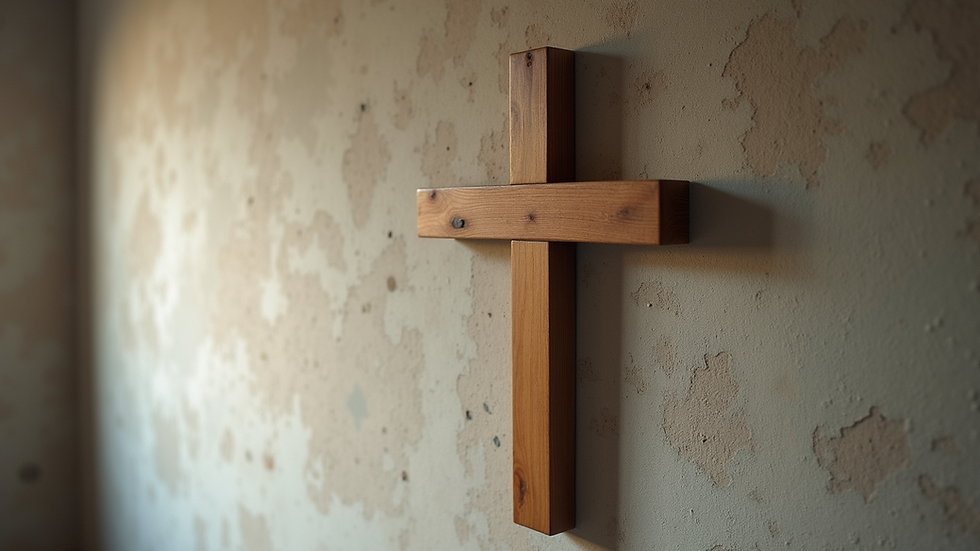
Wooden cross art adds a three-dimensional quality to your walls. The natural grain of the wood gives it warmth and texture that prints cannot replicate. A cross mounted above a doorway or in an entryway is a time-honoured tradition in Christian homes, serving as a visual blessing over all who enter.
Digital Downloads and Printable Art
Digital downloads offer a budget-friendly way to decorate with faith. You purchase the file and print it at home or through a local print shop. This option is especially useful if you want to refresh your décor regularly or if you are furnishing multiple rooms at once.
Bible Verses That Inspire Christian Home Décor
The right scripture can make Jesus wall art feel deeply personal. These verses are among the most beloved for Christian home décor:
Joshua 24:15: "As for me and my house, we will serve the Lord." One of the most widely used verses in Christian home art, it declares the faith of the whole household.
Jeremiah 29:11: "For I know the plans I have for you, declares the Lord." A verse of deep hope and reassurance, ideal for a study or a teenager's bedroom.
Philippians 4:13: "I can do all things through Christ who strengthens me." A popular motivational scripture that suits a home office, gym, or kitchen.
John 3:16: "For God so loved the world that he gave his one and only Son." The most recognised verse in the Bible, it sits beautifully in any room and speaks to people at every stage of faith.
Psalm 23:1: "The Lord is my shepherd; I shall not want." This gentle, pastoral verse brings a sense of peace to bedrooms, prayer corners, and sitting rooms.
Choosing a verse that holds personal meaning will make your Jesus wall art feel like a genuine part of your home, not simply a decoration. If a verse comforted you through a hard season, or marked a milestone in your faith journey, placing it on your wall is a quiet act of testimony.
Should Christians Hang Pictures of Jesus at Home?
Christians do not all answer this the same way, and it helps to know why. The Gospels give no physical description of Jesus, so every portrait is an artist's interpretation, shaped by the culture it comes from.
The Orthodox and Catholic churches honour sacred images. The Second Council of Nicaea in 787 affirmed the use of icons in devotion, and many families in those traditions keep an icon or crucifix in a prayer corner. Many Protestant churches are more cautious. They often point to the Second Commandment in Exodus 20:4-5 and prefer to display Scripture text rather than a portrait. Others hang portraits of Jesus freely as a reminder to pray.
If you are unsure, a verse in clear lettering is a safe choice for almost every tradition. If you belong to a church, a quick word with your minister or priest will tell you what your own community is comfortable with.
How Do You Hang and Care for Christian Wall Art?
Good hanging makes ordinary art look considered. These habits work for most homes:
Hang the centre of the piece at about 145 cm (57 inches) from the floor, which is roughly eye level for most adults.
On a gallery wall, keep a steady gap of 5 to 8 cm between frames and start with the largest piece.
Dust canvas and frames with a soft, dry cloth. Do not spray cleaner onto canvas or paper.
Keep paper prints out of steamy bathrooms and away from radiators, which can warp them.
How Do You Print Digital Christian Art at Home?
A digital download is the cheapest way to try a piece before committing to a larger one. Print at the file's full size rather than using fit to page, and choose a heavy matte paper of around 170 to 250 gsm for a gallery feel. If your home printer struggles with large sizes, a local print shop can print the same file on better paper for a few pounds.
Print resolution matters too. Most print shops ask for about 300 dots per inch at the final size, so check the file dimensions before you choose a frame.
Can Wall Art Help Your Family Grow in Faith?
Art works best when it does something. Pick one verse for the month, hang it where the family passes each day and read it together at breakfast or bedtime. Children often memorise a verse simply by seeing it every day.
If you would like a hands-on way to do this, our free printable Bible resources, including fill-in memory verse cards and a family devotion planner, pair well with a framed verse. There is no sign-up and nothing to pay.
What Should You Read Next?
To bring faith and beauty into your home, read Jesus Artwork for Home Decor.
For the studio's own shop, see Jesus Light Studio, the Best Etsy Christian Art Shop.
To see how digital Christian art is made, read How to Create Stunning Digital Christian Art Pieces.
For a piece of Christian art for those who are grieving, see Miscarriage Baby Loss Jesus Christ Print.
For a joyful print of Jesus with children, see Jesus Christ Laughing with a Group of Children.
Key Takeaways
Jesus wall art transforms your home into a space of faith, turning daily life into an act of ongoing prayer and remembrance.
Canvas prints, framed scripture, wooden cross art, and digital downloads are the four main types: each suited to different rooms and budgets.
Joshua 24:15, Jeremiah 29:11, and John 3:16 are among the most popular scripture choices for Christian home décor.
Placement matters: hang art at eye level, use gentle lighting, and avoid overcrowding so each piece has space to speak.
Choose a verse or image that holds personal meaning: art that reflects your own faith story will resonate far more than a generic print.
Frequently Asked Questions About Jesus Wall Art
How do I decorate my home with Jesus wall art?
Choose pieces that reflect your faith and complement your space's style and colour palette. A large statement piece works well above a sofa or mantelpiece, while smaller scripture prints suit hallways, studies, and bedrooms. Grouping related pieces creates a gallery wall that makes a strong visual statement of faith.
What Bible verses make the best wall art?
Popular Bible verse wall art includes Jeremiah 29:11, Philippians 4:13, John 3:16, Joshua 24:15, and Psalm 23. These verses are meaningful, widely loved, and visually compelling when set in quality typography or incorporated into painted faith-inspired designs.
Where can I buy Jesus wall art online?
Jesus Light Studio offers original Christian wall art and scripture prints. Etsy has hundreds of independent Christian artists. DaySpring and Christian Art Gifts also stock a wide range of Christian home décor. Digital downloads from Etsy are an affordable option you can print at a local print shop.
What size should Jesus wall art be?
For a large wall above a sofa, aim for a piece that is roughly two-thirds the width of the furniture beneath it. For a hallway, medium to small pieces work well. Scripture prints look beautiful in standard frame sizes like A4, A3, or 8x10 inches, which are easy to source and affordable.
Is Jesus wall art appropriate as a gift?
Yes. Jesus wall art makes a thoughtful gift for christenings, baptisms, confirmations, weddings, housewarmings, and Christmas. A personalised scripture print or a piece featuring a meaningful verse for the recipient is especially valued as a lasting reminder of faith and God's promises.


Comments